
Remembering D-Day: 82 Years of Courage and Sacrifice

On June 6, 1944, the world witnessed one of history's most pivotal moments—D-Day, the Allied invasion of Normandy, France. As we mark the 82nd anniversary of this extraordinary operation, we pause to honor the brave men who stormed the beaches of Normandy in what would become the largest amphibious military assault in history. Over 156,000 Allied troops from the United States, Britain, Canada, and other nations crossed the English Channel that day, facing fierce German defenses along a 50-mile stretch of the French coastline.

The beaches—code-named Utah, Omaha, Gold, Juno, and Sword—became battlegrounds where ordinary people displayed extraordinary courage. By day's end, the Allies had secured a foothold in Nazi-occupied Europe, but at a tremendous cost: thousands of soldiers lost their lives, and many more were wounded.
Land of the Free, Because of the Brave
The soldiers who fought on D-Day came from all walks of life—farmers, teachers, factory workers, and students—many barely out of their teenage years. They left behind families,

dreams, and futures to fight for freedom against tyranny. These weren't professional warriors seeking glory; they were everyday citizens who answered the call when democracy itself hung in the balance. Paratroopers jumped behind enemy lines in the dark of night, infantrymen waded through chest-deep water under heavy fire, and medics risked their lives to save their fallen comrades. Their bravery wasn't the absence of fear—it was the willingness to act despite it. Each soldier who set foot on those beaches understood the stakes: failure meant the continuation of Nazi oppression across Europe, while success offered hope for liberation and peace.
Shaping Today's World
The impact of D-Day reverberates through history to this day. Operation Overlord, as it was officially known, marked the beginning of the end for Nazi Germany. Within a year, the war in Europe would be over, and the world would begin the long process of healing and rebuilding. The success of D-Day demonstrated what free nations could accomplish when united against oppression. It shaped the world order for generations, influencing international cooperation, military strategy, and our understanding of sacrifice for the greater good. The lessons learned on those beaches—about courage, unity, and the price of freedom—remain as relevant today as they were 82 years ago.
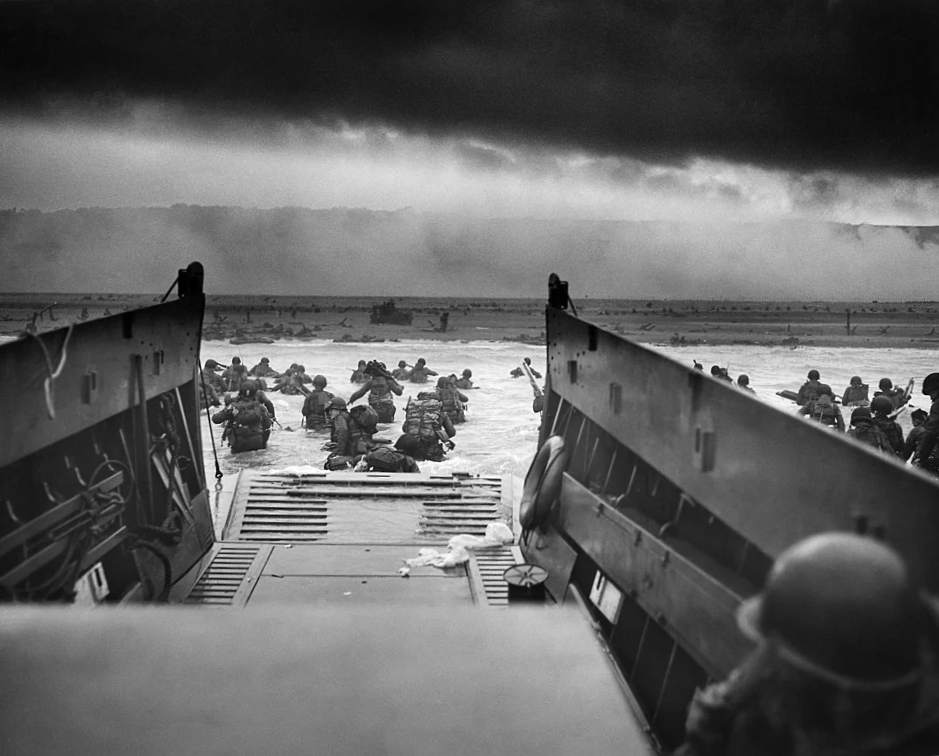
As parents and educators, we have a sacred responsibility to ensure that our children understand and remember D-Day. We can honor these heroes by teaching students about their sacrifice through age-appropriate books, documentaries, and classroom discussions. Visiting war memorials, participating in Memorial Day and Veterans Day observances, and inviting veterans to share their stories helps make history personal and meaningful. Encourage students to write letters of appreciation to veterans, research family members who served, or create projects that explore the human stories behind historical events. By keeping these memories alive, we ensure that the sacrifices made on D-Day—and throughout all conflicts—are never forgotten, and that future generations understand the true cost of the freedoms they enjoy.
Fun Fact: The weather almost derailed D-Day entirely!
General Eisenhower originally scheduled the invasion for June 5, 1944, but a massive storm forced a 24-hour delay. His chief meteorologist, Group Captain James Stagg, predicted a brief break in the weather on June 6th—and he was right! That narrow window of slightly better weather made the invasion possible. If Eisenhower had waited longer, the next suitable tide wouldn't have occurred for another two weeks, potentially changing the course of history. It was one of the most consequential weather forecasts ever made!


Comments