
A Month of Gratitude, Heritage, and Coming Together

November arrives with a cozy invitation to slow down, gather together, and give thanks. For parents and teachers, it's a month packed with learning opportunities—from exploring the complex history of Thanksgiving to celebrating Native American Heritage Month. It's the perfect time to help students understand how different cultures have shaped our nation and why gratitude, respect, and learning from one another are values worth celebrating every day. Plus, let's be honest: any month that includes mashed potatoes, pumpkin pie, and a four-day weekend deserves some serious appreciation!

The story of Thanksgiving is more nuanced than the simple tale many of us learned in elementary school. In 1621, the Wampanoag people and English colonists (often called Pilgrims) did share a harvest celebration in Plymouth, Massachusetts—but it wasn't the idyllic, one-sided story of settlers "discovering" a new land. The Wampanoag, led by Chief Massasoit, had lived on this land for thousands of years with rich traditions, sophisticated agricultural knowledge, and complex societies. When the struggling colonists arrived, it was the Wampanoag who taught them essential survival skills: how to cultivate corn using the "three sisters" method (corn, beans, and squash planted together), where to fish, and which plants were safe to eat. In return, the colonists shared their own knowledge and goods. That 1621 gathering was a genuine moment of cultural exchange and mutual assistance—though the full history that followed is far more complicated and often painful. Thanksgiving didn't become a national holiday until 1863, when President Abraham Lincoln proclaimed it during the Civil War as a way to unite a divided nation.
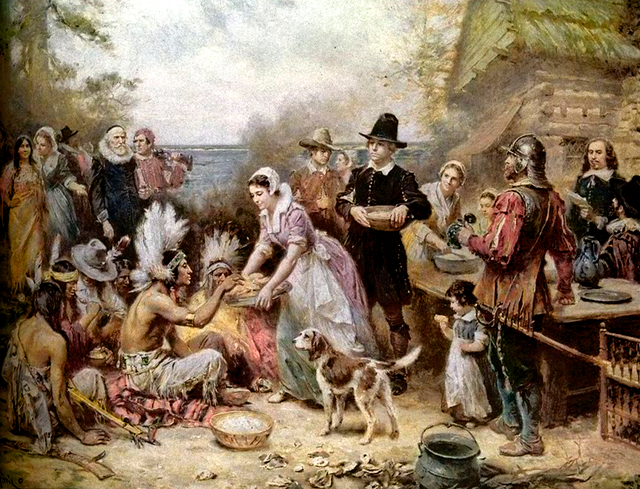
This is why November is also Native American Heritage Month—a time to honor the rich histories, cultures, and contributions of Native peoples, both past and present. It's an opportunity for educators and families to go beyond the Thanksgiving myth and explore the diverse nations, languages, traditions, and innovations of Indigenous peoples. From the Haudenosaunee Confederacy's influence on American democracy to the countless agricultural, medicinal, and environmental practices that Native Americans developed and shared, there's so much to learn and celebrate.

Modern Thanksgiving looks quite different from that 1621 harvest feast—think football games, parades with giant balloons, and tables groaning under the weight of turkey and all the trimmings—but the core idea of coming together, sharing what we have, and expressing gratitude remains powerful. Teaching our students the full, honest story helps them understand that real history is complex, that multiple perspectives matter, and that respect and learning from one another are the foundations of a stronger community.
This November, whether you're planning Thanksgiving lessons, exploring Native American history, or simply helping students articulate what they're grateful for, remember that these conversations matter. At Gallopade, we're committed to providing resources that help educators teach the full story—the triumphs, the challenges, and everything in between. Because when we learn from each other with open hearts and curious minds, just like those early cultural exchanges, we all grow richer.
Happy November, and happy learning!


Comments